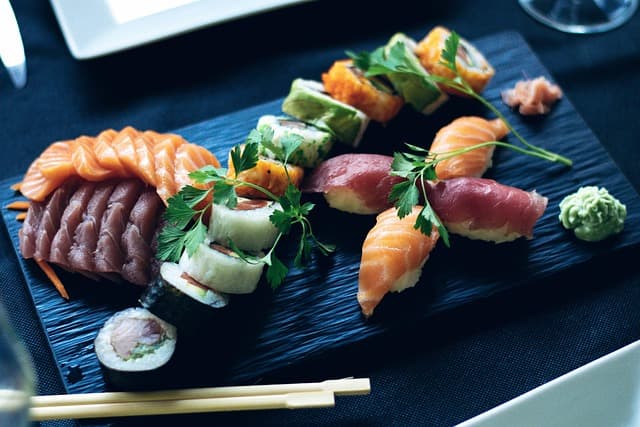

Uchi Austin is one of Austin’s most renowned and prestigious restaurants, symbolizing how traditional Japanese cuisine can be reimagined in a contemporary, signature style. Located in the South Lamar neighborhood, Uchi has long gone beyond the boundaries of a typical sushi restaurant and has become a true gastronomic attraction in Texas, regularly appearing in rankings of the best restaurants in the United States.
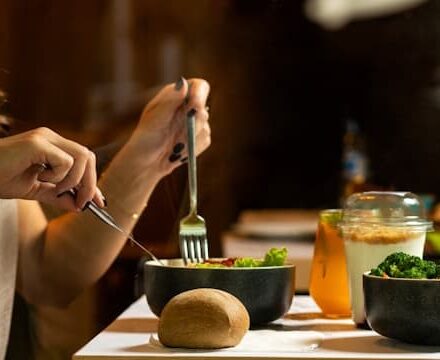
The restaurant is located in one of Austin’s most dynamic neighborhoods. From the outside, the building looks understated and minimalist, but inside, guests are greeted by a refined interior with soft lighting, natural materials, and thoughtful details. The atmosphere here is elegant but not formal, calm and intimate, making Uchi equally suitable for a romantic dinner or a business meeting. Celebrities, musicians, and representatives of the creative industry are often seen in the dining room, which only emphasizes the high status of the establishment.
Founder and head chef Tyson Cole is a key figure in the history of Uchi. His professional career includes training with sushi masters in Tokyo, working in New York, and immersing himself in Austin’s gastronomic culture. It is this diverse experience that has allowed him to create a restaurant where Japanese traditions are harmoniously combined with modern techniques and local products. Particular attention is paid to the quality of the fish, which is delivered daily from Tsukiji Market in Tokyo, guaranteeing exceptional freshness, purity of taste, and high quality in every dish.
The Uchi menu is a carefully curated collection of dishes in which classic Japanese forms serve as the basis for bold and modern flavor combinations. The sushi and sashimi are distinguished by the exceptional quality of the fish, minimalist presentation, and an emphasis on the natural flavor of the product. Each piece looks like the result of precise work and deep respect for the ingredient. The restaurant’s signature dishes are known for their creative combinations: fresh fish is complemented by unexpected sauces, citrus accents, truffles, and fermented elements, and the balance of umami, acidity, and texture is calibrated down to the smallest detail. The menu is regularly updated to reflect seasonality and the availability of the best ingredients.
For guests who want to get the most out of the cuisine, Uchi offers an omakase format, where the choice of dishes is completely entrusted to the chef. This is one of the best ways to get acquainted with the restaurant’s philosophy and try the most successful and characteristic items on the menu. Tasting sets are also popular, allowing guests to appreciate the variety of flavors, techniques, and presentations in a single visit.
Uchi’s bar menu has been carefully selected to complement the cuisine without distracting from it. The selection includes premium sakes, Japanese beers, and signature cocktails with subtle Eastern notes. Sommeliers help you choose a drink that will enhance the flavor of the dishes and enhance the overall experience without interrupting their complex flavor structure.
Prices at Uchi are above average for Austin, but most guests agree that the cost is fully justified by the quality of the ingredients, the skill of the chefs, and the originality of the flavors. This is not a restaurant for a spontaneous bite to eat, but for a conscious gastronomic experience that is worth preparing for in advance. The average visit takes between an hour and a half and two and a half hours, especially if you choose the tasting menu or omakase, so reservations are highly recommended.
Uchi Austin is ideal for connoisseurs of haute cuisine, fans of contemporary Japanese gastronomy, those celebrating special occasions, and visitors to the city seeking unique culinary experiences in Texas. This restaurant proves that haute Japanese cuisine can thrive far beyond Japan’s borders. Here, tradition is combined with innovation, and every detail—from the quality of the fish to the presentation—is thought out to perfection. Uchi is a place worth visiting at least once to understand what modern Japanese fine dining can be like in an American setting.